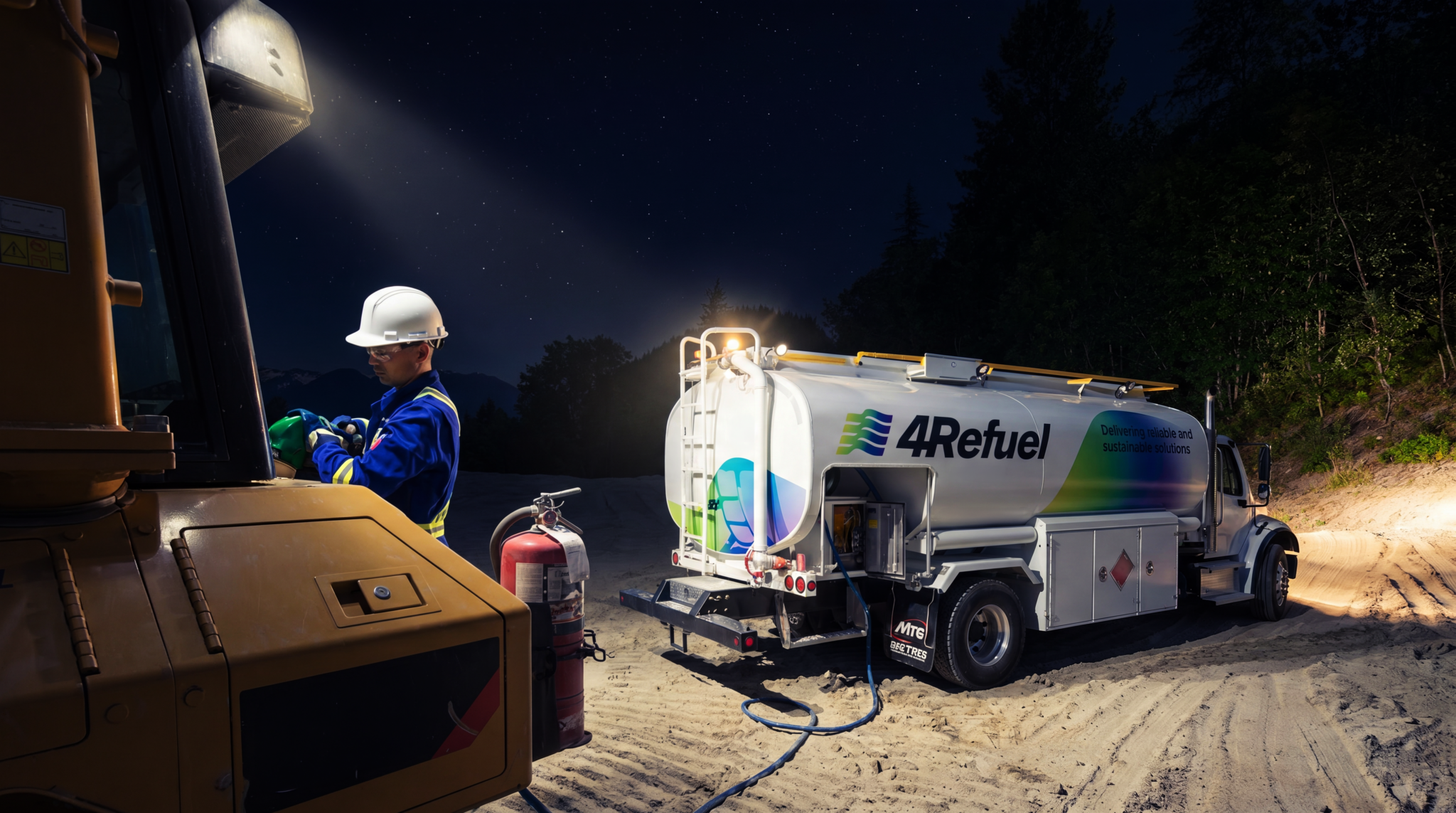
Construction Meeting Tight Deadlines with Nightly Wheel-to-Wheel Refueling
In the fast-paced world of commercial development, time is quite literally money. Missing a deadline can trigger massive financial penalties, sour client relationships, and disrupt an entire pipeline of future work. Project managers are constantly looking for operational edges to keep their crews moving. One of the most effective, yet frequently overlooked, strategies is Construction: Meeting Tight Deadlines with Nightly Wheel-to-Wheel Refueling.
When your crew arrives at the job site as the sun comes up, their sole focus should be moving dirt, pouring concrete, and building structures. If the first hour of the day is spent waiting in line at a bulk fuel tank, your project is already behind schedule.
Let’s explore how shifting your fuel logistics to after-hours can drastically transform your site's efficiency, lower operational costs, and keep your heavy machinery running seamlessly.
The Hidden Costs of Daytime Refueling Operations
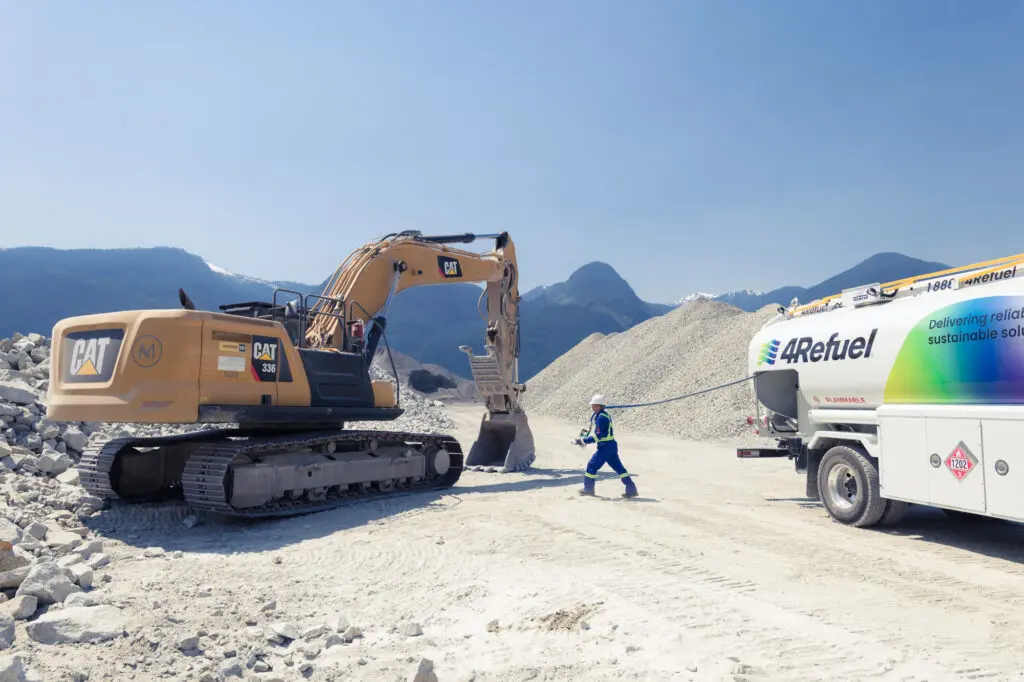
Many contractors still rely on outdated fuel management systems. However, managing standard daytime refueling operations is a massive drain on resources. Every minute a highly-paid machine operator spends driving a front-end loader across the site to a fuel tank is a minute not spent working.
When you evaluate mobile on-site fueling vs traditional gas station trips or manual bulk tank fills, the traditional methods quickly show their flaws. Operator wages, wear and tear on machines, and idle time add up. If you are researching how to reduce heavy equipment downtime, eliminating these non-productive daytime tasks is the most direct solution.
What Are the Benefits of Mobile On-Site Refuelling?
You might hear the industry terms “wet fueling” or “wheel-to-wheel refueling” used interchangeably. But what are the benefits of mobile on-site refuelling exactly?
In short, a dedicated fuel truck arrives at your job site after your crew has clocked out for the day. The technicians drive directly to each piece of parked machinery—wheel to wheel—and fill their tanks. By the time your operators arrive the next morning, every machine is fully fueled and ready to turn the key.
The advantages of this approach include:
Zero Morning Bottlenecks: No more operators waiting in line for the fuel pump.
Increased Billable Hours: Maximizing construction site productivity with mobile on-site refuelling means getting an extra 30 to 45 minutes of actual work per machine, per day.
High-Volume Efficiency: It is an absolute game-changer for streamlining large-scale earthmoving operations, where dozens of gas-guzzling machines are running simultaneously.
Navigating Remote Sites and Storage Regulations
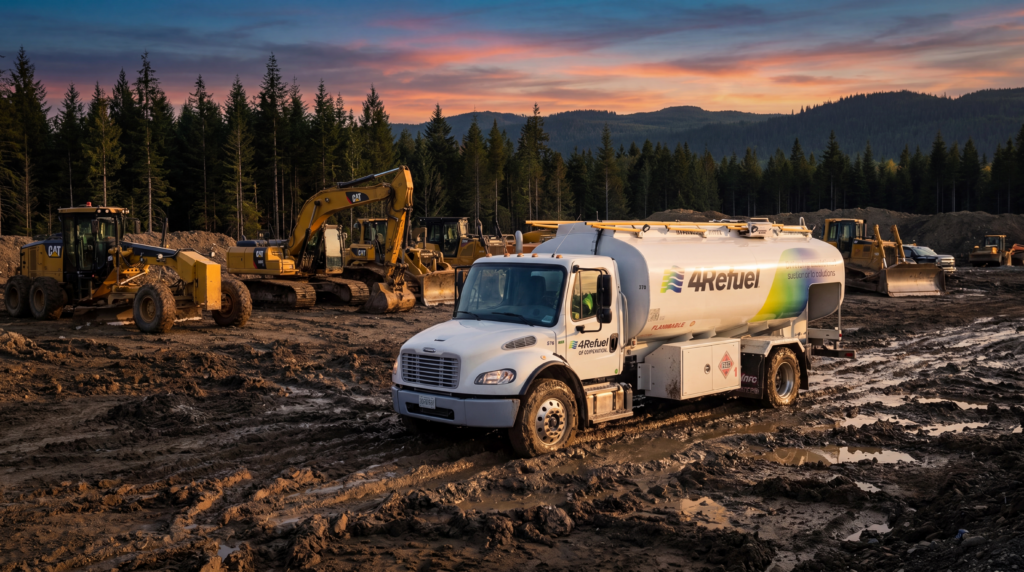
Heavy civil projects often take place miles away from existing infrastructure. Overcoming fuel logistics challenges in remote sites can be a logistical nightmare for project managers.
Contractors often debate the cost efficiency of bulk fuel tanks vs mobile delivery. While installing a massive bulk tank on-site might seem cost-effective on paper, the hidden liabilities are significant. You must navigate strict environmental regulations for on-site fuel storage, which often require expensive double-walled tanks, containment berms, and daily safety inspections to prevent disastrous spills.
By utilizing a mobile fuel provider, you bypass these regulatory headaches entirely. Expert fuel providers handle the off-road diesel delivery logistics, ensuring your excavators, graders, and dozers have the precise amount of fuel they need without the liability of storing thousands of gallons of diesel on your active job site.
Implementing a Nightly Equipment Refueling Strategy
Transitioning to this system is straightforward, but it requires a bit of coordination. If you are implementing a nightly equipment refueling strategy, consider these actionable tips:
Map Your Site: Provide your fueling partner with a clear map of your site, noting where equipment is parked at the end of the shift.
Clear Access: Ensure that paths are wide enough for the fuel delivery trucks to navigate safely at night.
Label Equipment Clearly: Use clear, reflective decals so technicians know exactly which machine receives off-road diesel versus regular fuel or Diesel Exhaust Fluid (DEF).
Communicate with Operators: Train your crew to park their machines in designated, easily accessible clusters at the end of the day.
By setting up a reliable routine, you are effectively preventing project delays with scheduled fuel delivery. You eliminate the risk of a machine running dry mid-afternoon, thereby optimizing heavy machinery uptime for tight schedules.

Technology-Driven Fleet Management and Safety
Modern fuel delivery is no longer just a truck and a hose; it is a highly technical service. Today's top-tier fuel providers use automated fuel tracking for construction fleets.
When a technician fills a machine, a barcode scanner logs the exact time, the specific piece of equipment, and the precise amount of gallons dispensed. This data is instantly uploaded to a cloud dashboard. This level of transparency is essential for establishing best practices for managing construction fuel consumption. You can easily spot if a specific generator is burning more fuel than it should, potentially highlighting a maintenance issue before it causes a breakdown.
Finally, we cannot overlook the human element. Managing heavy, high-pressure fuel hoses is exhausting work. Improving site safety with professional fuel technicians ensures that the people handling hazardous materials are specifically trained to do so. It reduces the risk of accidental fuel spills, environmental contamination, and worker injuries, which can happen when tired machine operators try to top off their own tanks at the end of a grueling 10-hour shift.
Conclusion
The construction industry is becoming more competitive every year. Margins are tight, and project timelines are even tighter. If your crew is wasting valuable daylight hours managing fuel logistics, you are leaving money on the table.
Transitioning to nightly wheel-to-wheel refueling is a proven way to recapture lost time, eliminate the liabilities of on-site fuel storage, and gather actionable data on your fleet’s energy consumption. By allowing specialized technicians to handle your fuel off-the-clock, you empower your crew to do what they do best: build safely, efficiently, and right on schedule.